
In this article
- Why is DIY such a part of Australian home life?
- A practical Victoria DIY checklist
- Changing a light globe is not the same as replacing a switch
- Small tap repairs are not permission to alter plumbing
- Sometimes it is the risk, not the legal rule, that should stop you
- Does owning the property mean you can fix everything?
- Five questions before you buy the materials
- Sources and further reading
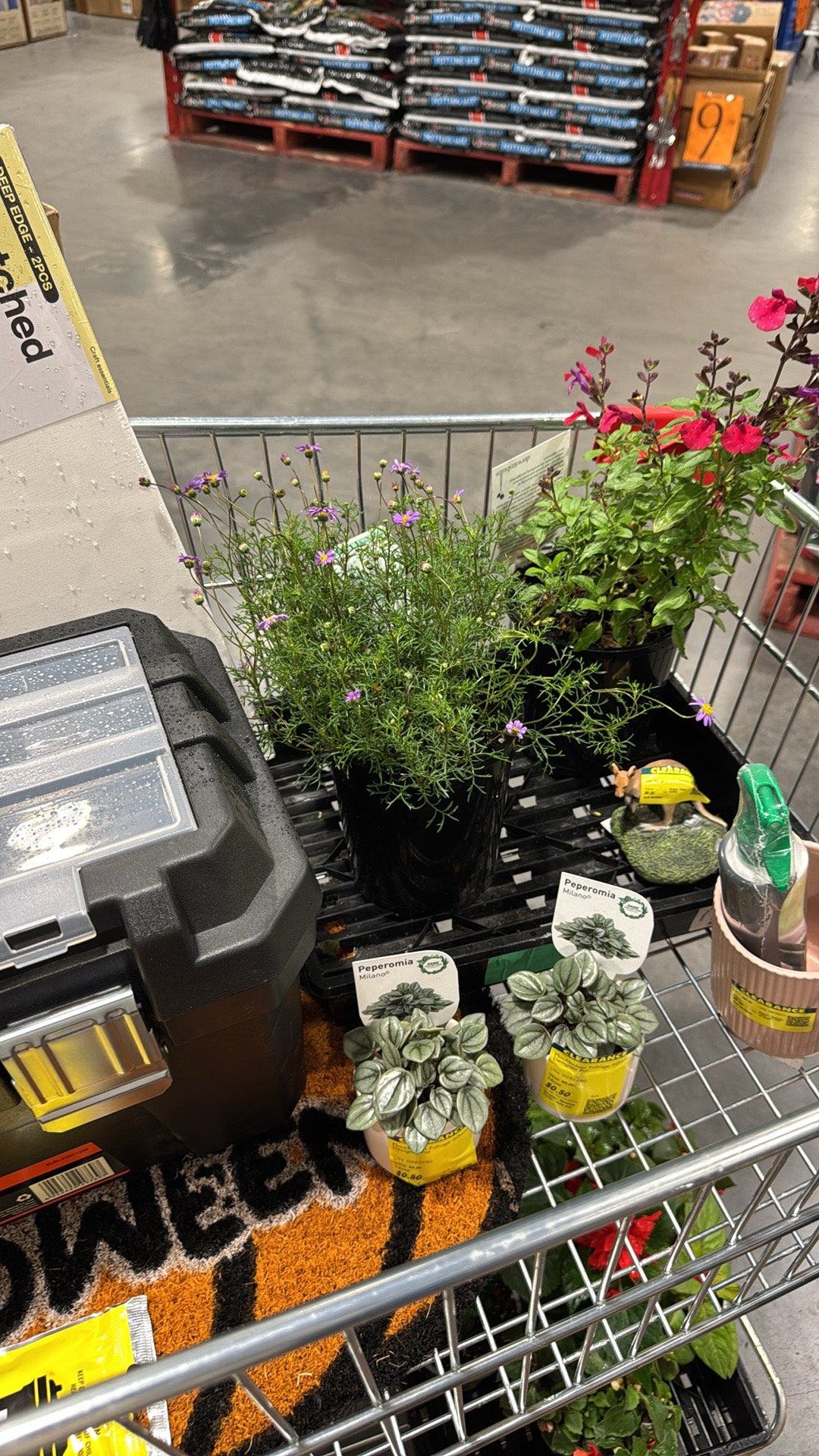
A weekend trip to Bunnings for a trolley full of timber, paint and plants is a familiar Australian ritual. Painting a room, assembling furniture or restoring a garden can be satisfying as well as economical. But knowing when to stop and call a qualified tradesperson is part of being good at DIY.
Why is DIY such a part of Australian home life?
Homes often come with gardens, garages, decks and fences that need regular attention. Paying a tradie involves skills, travel and assessment time, not just materials. Stores make tools and how-to demonstrations accessible, and Bunnings’ community initiatives include the familiar sausage-sizzle fundraisers. But a product being sold in a hardware store does not establish that homeowners can legally install it themselves.

A practical Victoria DIY checklist
This is an introductory guide, not a blanket legal permission list. The answer depends on the type of work, site conditions, building rules, the owner’s authority to do the work and personal safety.
| Task | General starting point | Check first |
|---|---|---|
| Flat-pack furniture, basic painting, small wall patches | Often suitable for DIY | Materials, ventilation, dust and safe tools |
| Mowing and low garden maintenance | Often suitable for DIY | Hidden services and tool safety |
| Replacing a standard light globe | Usually possible | Correct globe and a sound fitting; do not alter wiring |
| Changing tap washers or a compliant showerhead | Limited exceptions may apply | Precisely what the plumbing rules permit |
| Drilling walls or mounting heavy shelves | Assess before attempting | Hidden wires, pipes, load-bearing elements and OC rules |
| Bathroom sealant or tiles | Find the cause first | Leaks and waterproofing damage |
| Roof access and high gutters | High risk — do not take chances | Falls and hidden hazards |
| Replacing power points or light switches | Qualified electrician required | Not routine DIY electrical work |
| Gas appliances and pipework | Qualified tradesperson required | Leaks, fire and carbon monoxide |
| Water, sewer and stormwater alterations | Generally qualified plumber | Work category and licence requirements |
| Structural changes | Seek professional assessment | Permits, design and safety |
| Drilling or cutting suspected asbestos materials | Stop and obtain assessment | Do not disturb potentially hazardous materials |
Changing a light globe is not the same as replacing a switch
Energy Safe Victoria is unequivocal: homeowners should not undertake electrical installation or repair work, including apparently small jobs such as changing a power point or light switch. Such work must be done by appropriately licensed people. Electrical faults can lead to serious injury and fire.
Small tap repairs are not permission to alter plumbing
Regulation 13 of Victoria’s Plumbing Regulations 2018 provides limited exceptions for certain minor work, such as tap-washer repairs and suitable water-efficient showerheads. The exceptions do not extend to every tap, mixer, fixed pipe, drain or gas appliance. Check the exact work type and seek advice from the Building and Plumbing Commission or a qualified plumber when needed.
Sometimes it is the risk, not the legal rule, that should stop you
- Asbestos: older homes may contain asbestos materials. The Victorian Asbestos Hub advises against drilling, cutting or sanding suspected materials before identification.
- Bathroom leaks: adding new sealant may hide a deeper waterproofing or pipe failure.
- High gutters: clearing a leaf on the ground is nothing like climbing to a roof edge. Falls can have severe consequences.
Does owning the property mean you can fix everything?
Owner-occupied home: ordinary decoration may be appropriate for DIY, but regulated trades, structural changes and hazardous materials still require compliance.
Rental property: Consumer Affairs Victoria explains that rental providers may undertake work not requiring a trade licence or registration, but repairs must meet an appropriate tradesperson’s standard. Access to a rented home is subject to notice and entry rules.
Owners Corporation property: an apartment, townhouse or unit may have common roofs, outside walls or services. Consumer Affairs Victoria says owners need appropriate OC authority before working on common property. Check plans, rules and approval requirements before proceeding.
Five questions before you buy the materials
- Is this specific task legally permitted as DIY in Victoria?
- Are there electrical, gas, fall, asbestos or structural hazards?
- Do I understand the real cause of the problem?
- Do I have authority to work on this part of the property, including any renter or OC requirements?
- What happens if the repair fails — can I make the area safe or do I need a professional?
DIY pride is about developing useful skills and recognising safe boundaries. Start with suitable projects such as painting, furniture and gardening, and use qualified tradespeople for regulated or hazardous work.
Related reading: Hail in Victoria: What Should Homeowners Check After a Storm?
Sources and further reading
- Bunnings — In Our Community
- Energy Safe Victoria — Electrical DDIY
- Energy Safe Victoria — Working with tradespeople
- Victoria — Plumbing Regulations 2018
- Building and Plumbing Commission — Engaging a plumber
- Victorian Asbestos Hub — How to identify asbestos safely
- Consumer Affairs Victoria — Repairs in rental properties
- Consumer Affairs Victoria — Maintaining and improving common property
- APOA Community Library — DIY Pride in Australia (original Chinese guide)
Sources checked 11 November 2026. This article focuses on general Victorian home maintenance and does not constitute legal, trade, insurance or individual safety advice. State laws and building conditions vary; check current licensing and permissions before regulated or high-risk work.