
APOA EVENT ARCHIVE
Seeking Change Amid Growing Pressures: APOA's Box Hill Community Policy Forum
From taxes and public safety to housing and the future of the city, residents put their concerns directly to Sally Houguet and Richard Welch.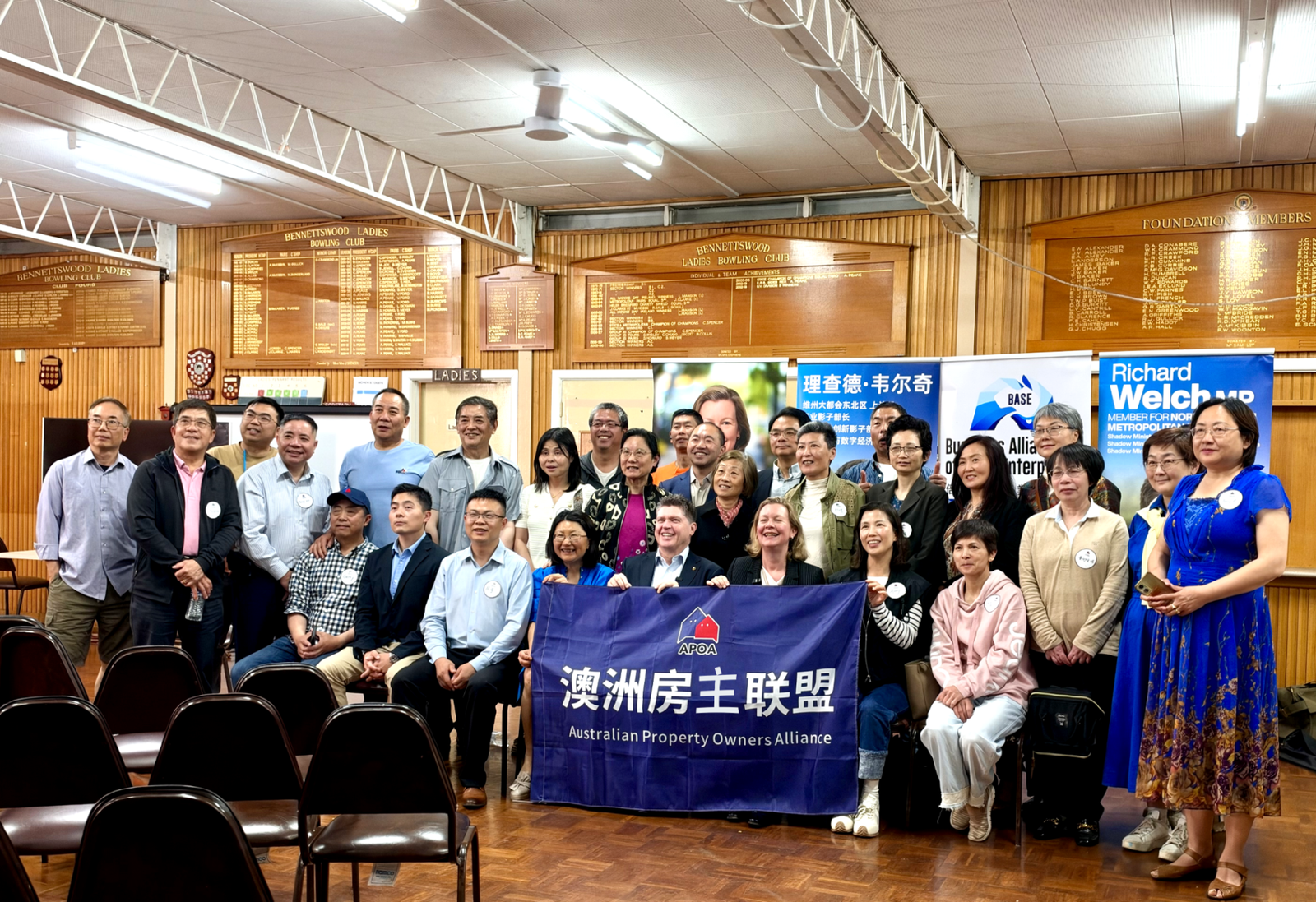
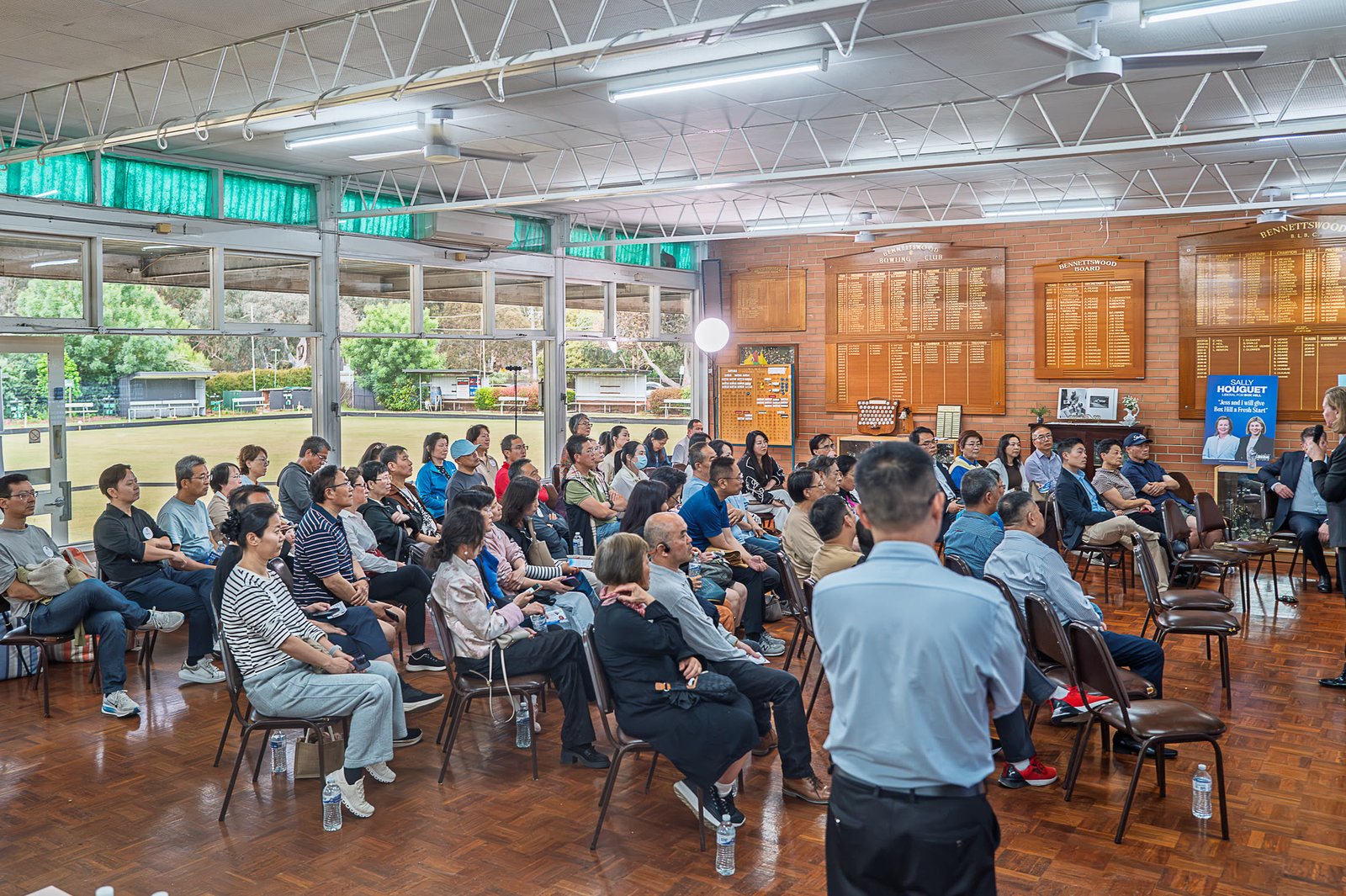
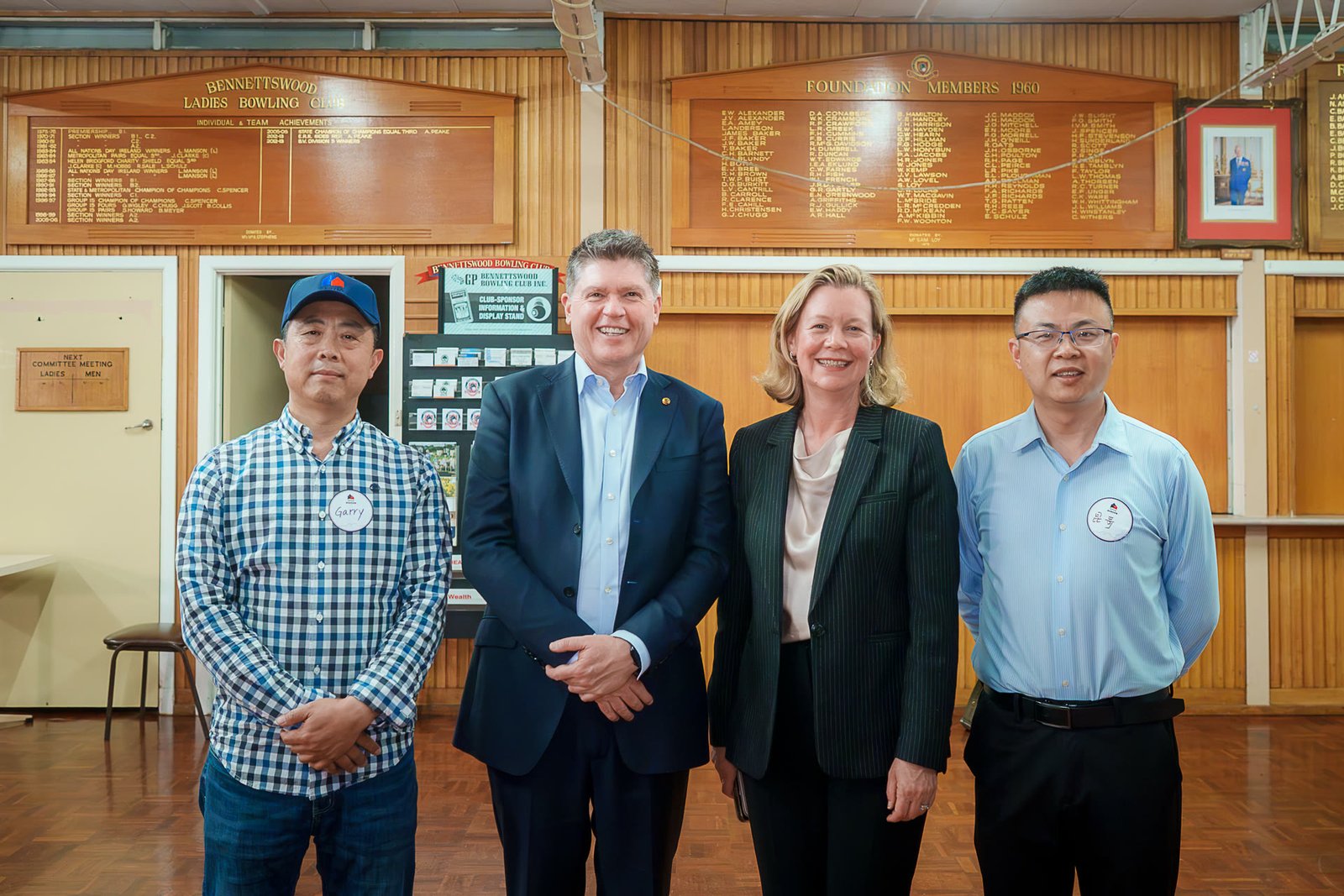
On the evening of 24 October 2026, the Australian Property Owners Alliance (APOA, previously known in Chinese as 澳洲房东联盟) hosted the community policy forum “The Future of Box Hill: Let’s Hear from Sally” at Bennettswood Bowls Club in Burwood, with important organisational and resource support from BASE.
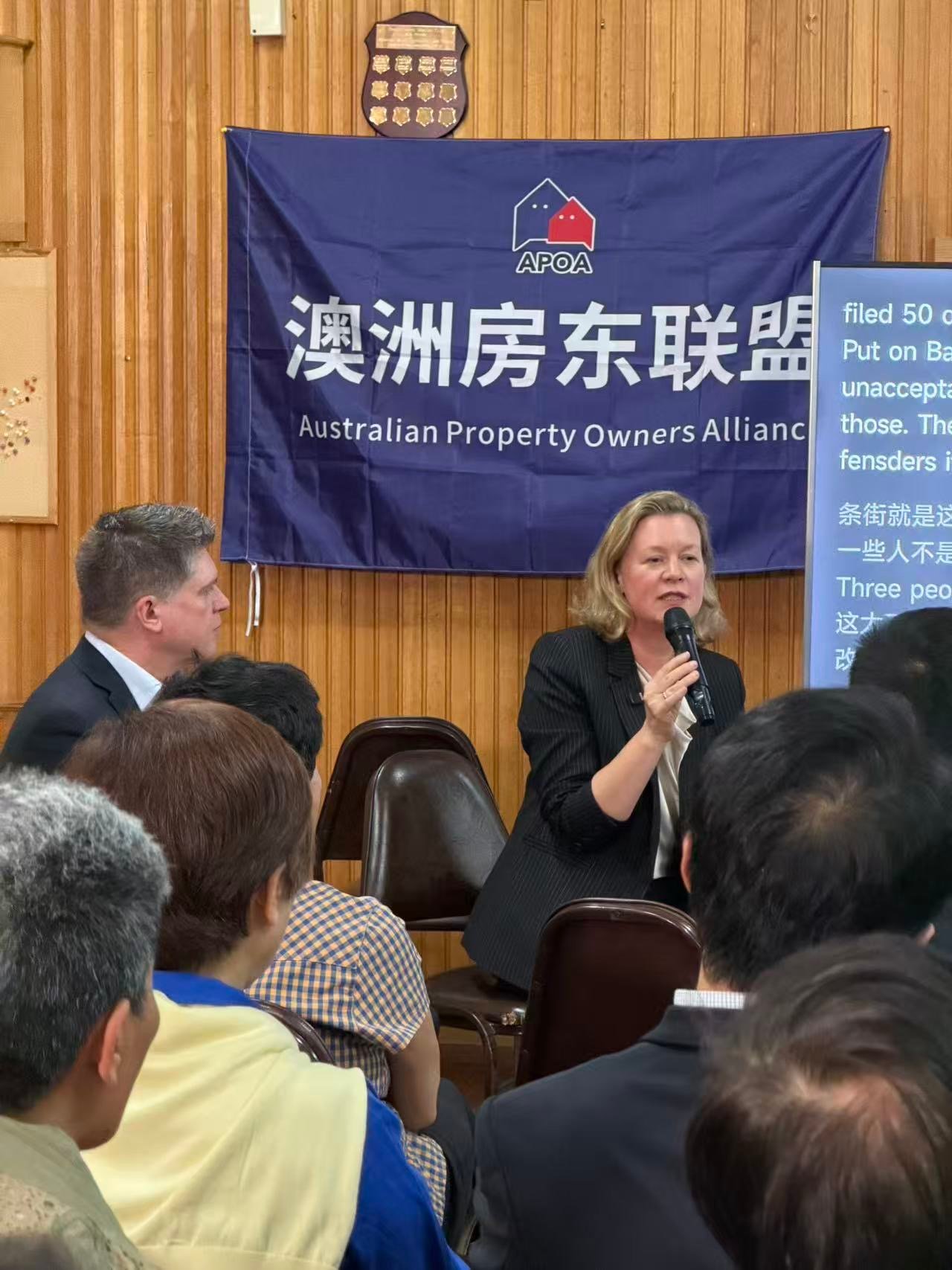
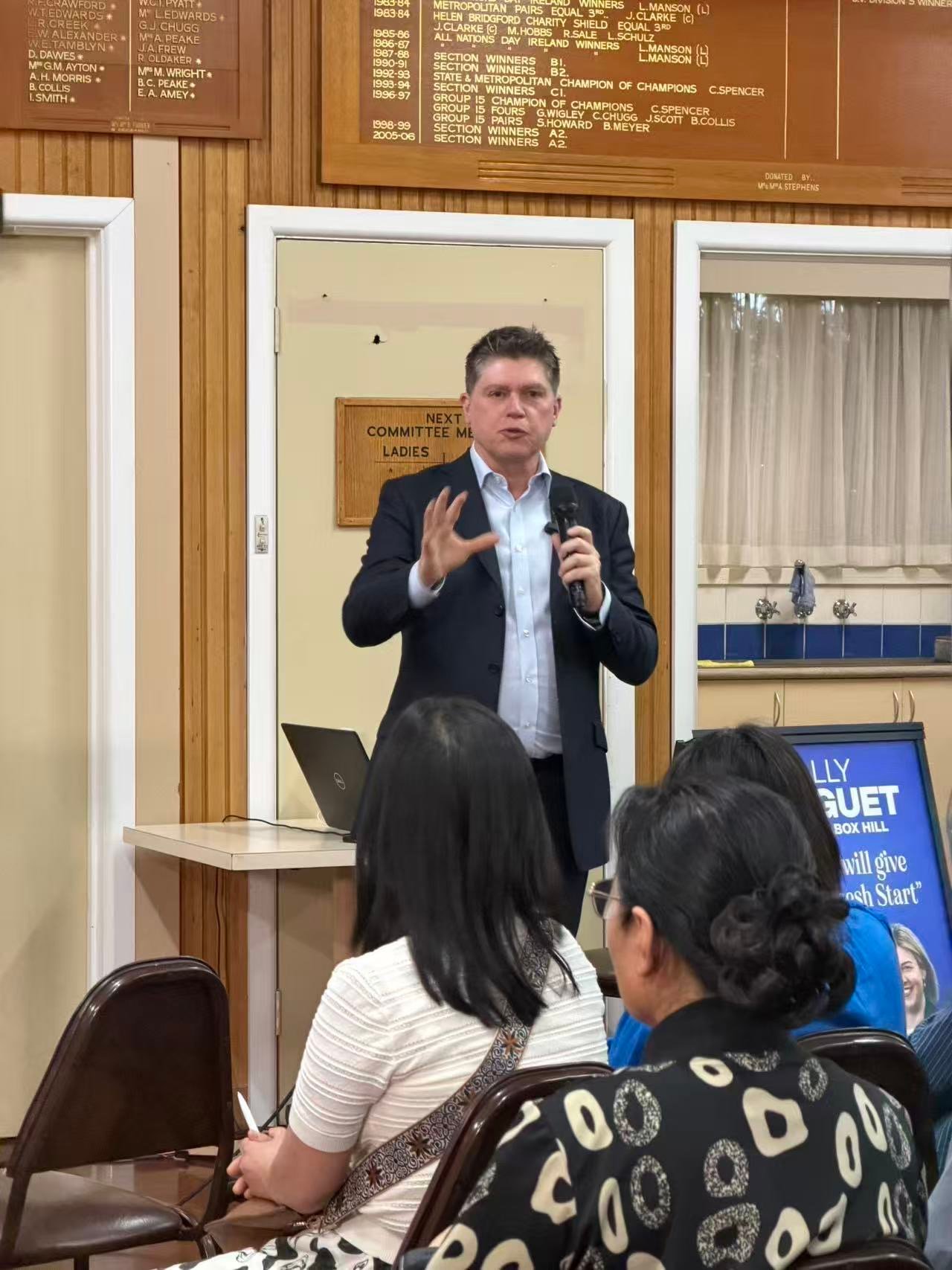
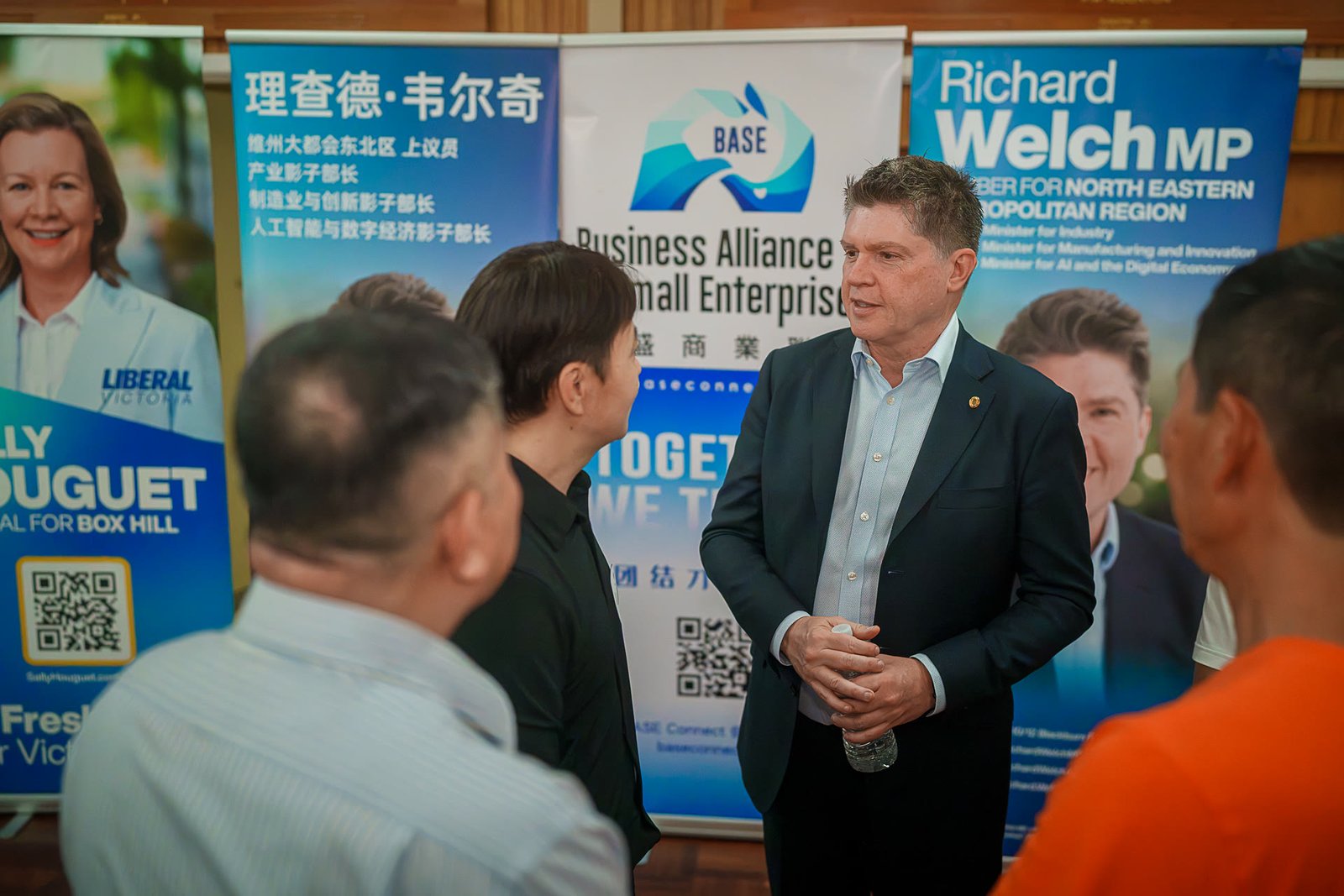
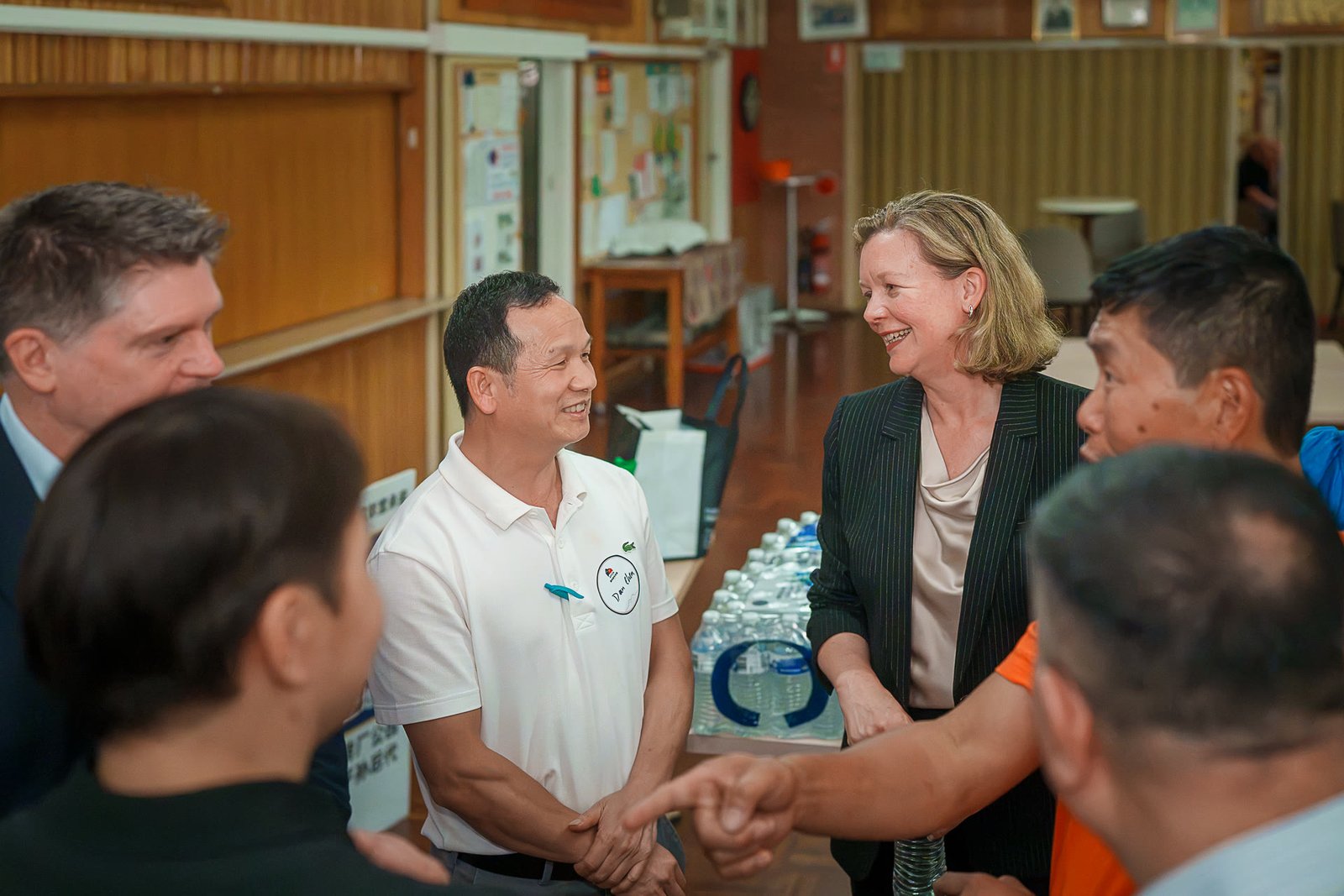
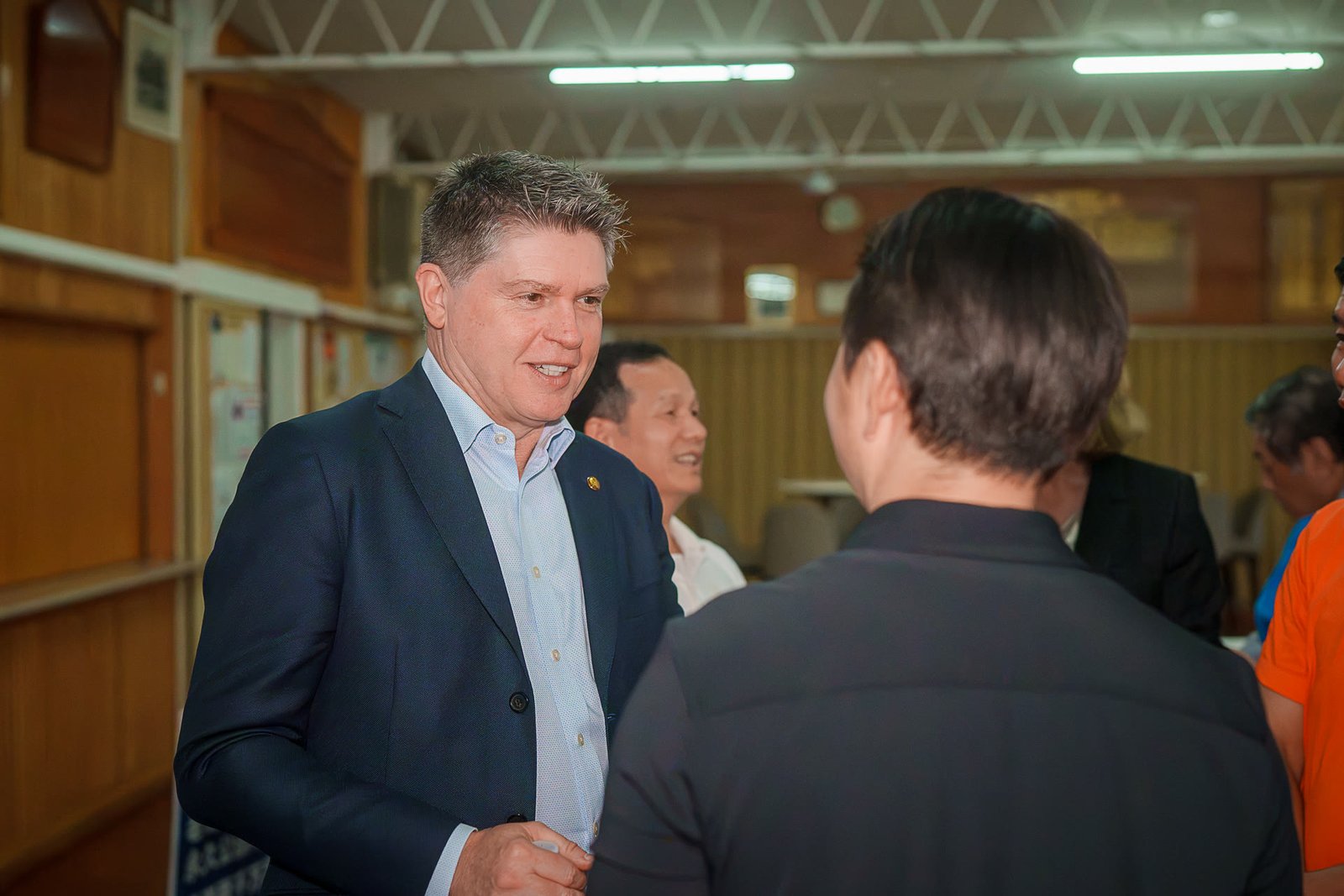
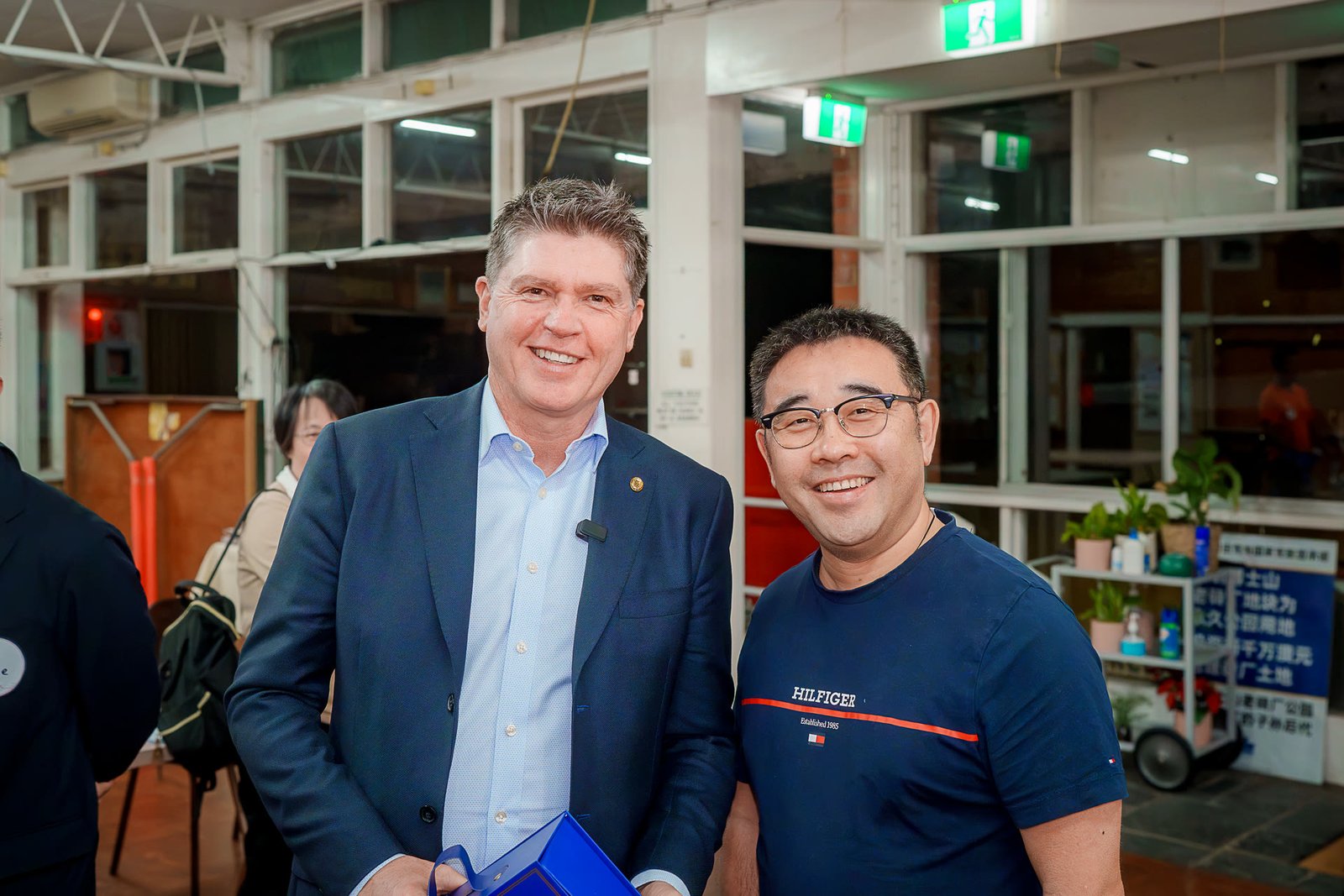
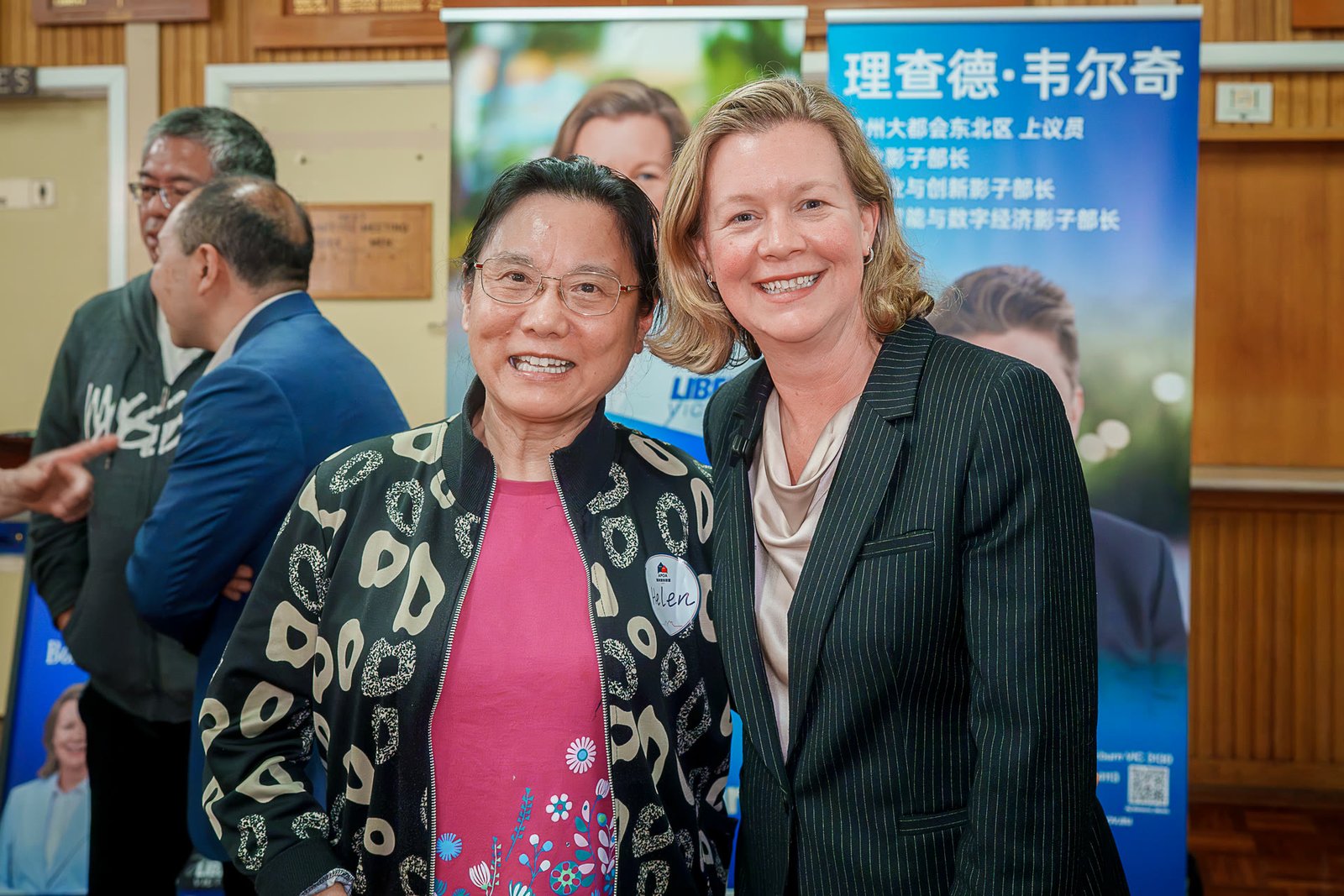
The event was hosted by APOA, with APOA volunteers and enthusiastic BASE members contributing to preparation and on-site activities. Sally Houguet, the Liberal Party candidate for Box Hill, and Richard Welch MP, a member of Victoria’s Legislative Council, joined dozens of local residents for a face-to-face exchange.
With approximately five weeks remaining until the Victorian state election on 28 November, the discussion was particularly timely.
Recent changes by the Victorian Labor government to land tax, public levies, rental regulations and residential energy standards have placed increasing pressure on many property owners and small-business operators. At the same time, community safety, hospital waiting times, public finances and the effects of Box Hill’s development on transport and local businesses have become pressing concerns.
Residents were interested not only in the current situation but in whether things could improve.
Could taxes be reduced? Could communities become safer? Would residential property investment remain attractive? Could public services improve? What sort of city would Box Hill become?
People came to the forum with these questions, hoping to hear practical policy proposals and possible solutions.
1. From Policy Presentations to Direct Questions: Residents Set the Agenda
The forum was organised by APOA. Unlike a conventional meet-the-candidate event, APOA had collected questions through its community WeChat groups in advance, organised frequently raised concerns into themes and brought them to the discussion.
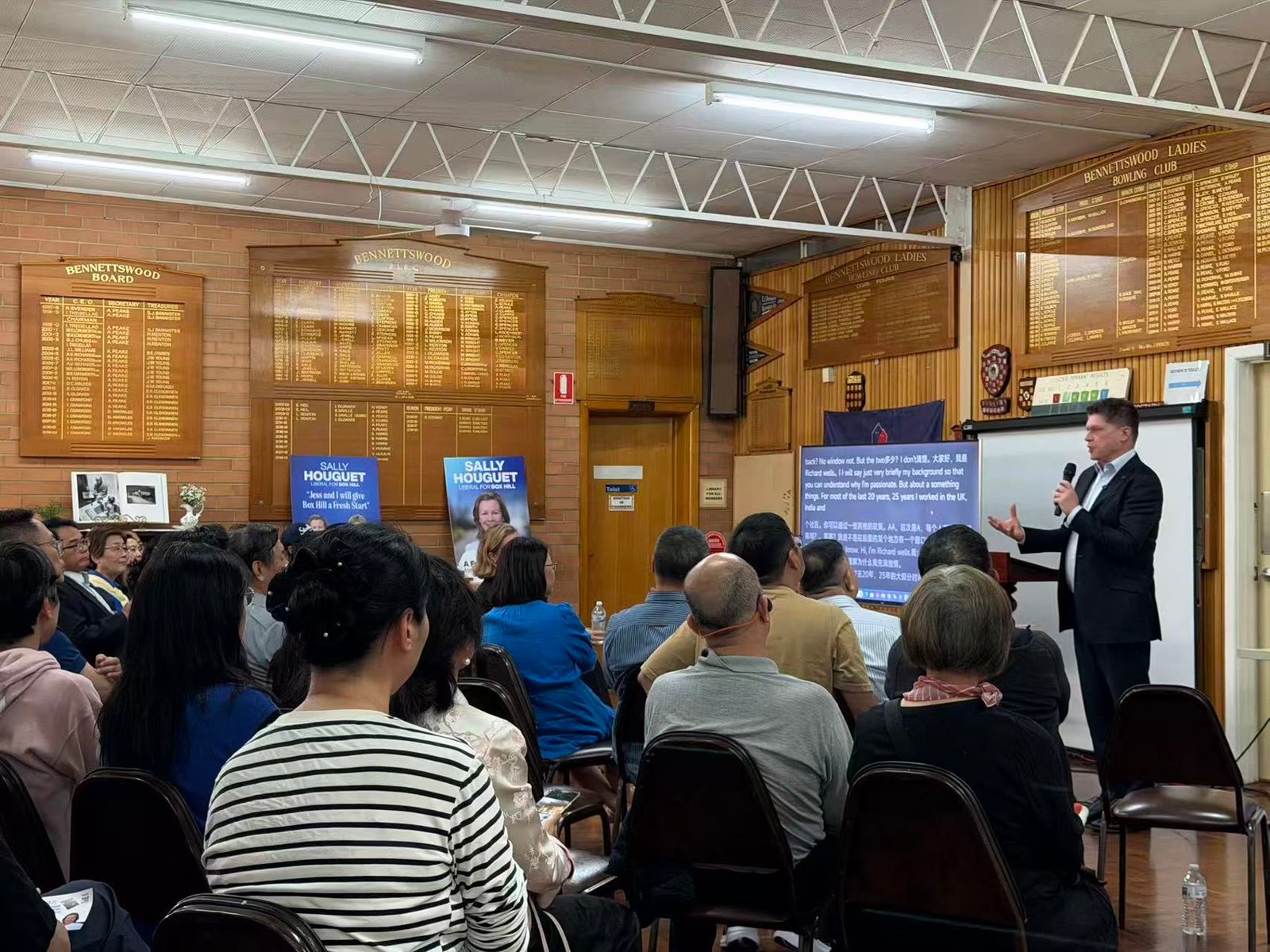
Sally Houguet first introduced her experience in community work, engineering and business, as well as her reasons for standing as a candidate. She spoke about improving Victoria’s business environment, public safety and the state’s financial position.
Richard Welch drew on his years of experience running manufacturing businesses internationally. He discussed the pressures faced by business owners from taxation, regulation, wages and investment risks, emphasising the importance of economic growth and responsible public finances.
Both speakers outlined Liberal Party policy positions on tax relief, stronger community safety, reduced regulatory burdens and improved healthcare.
But the exchange did not stop at a presentation of policies.
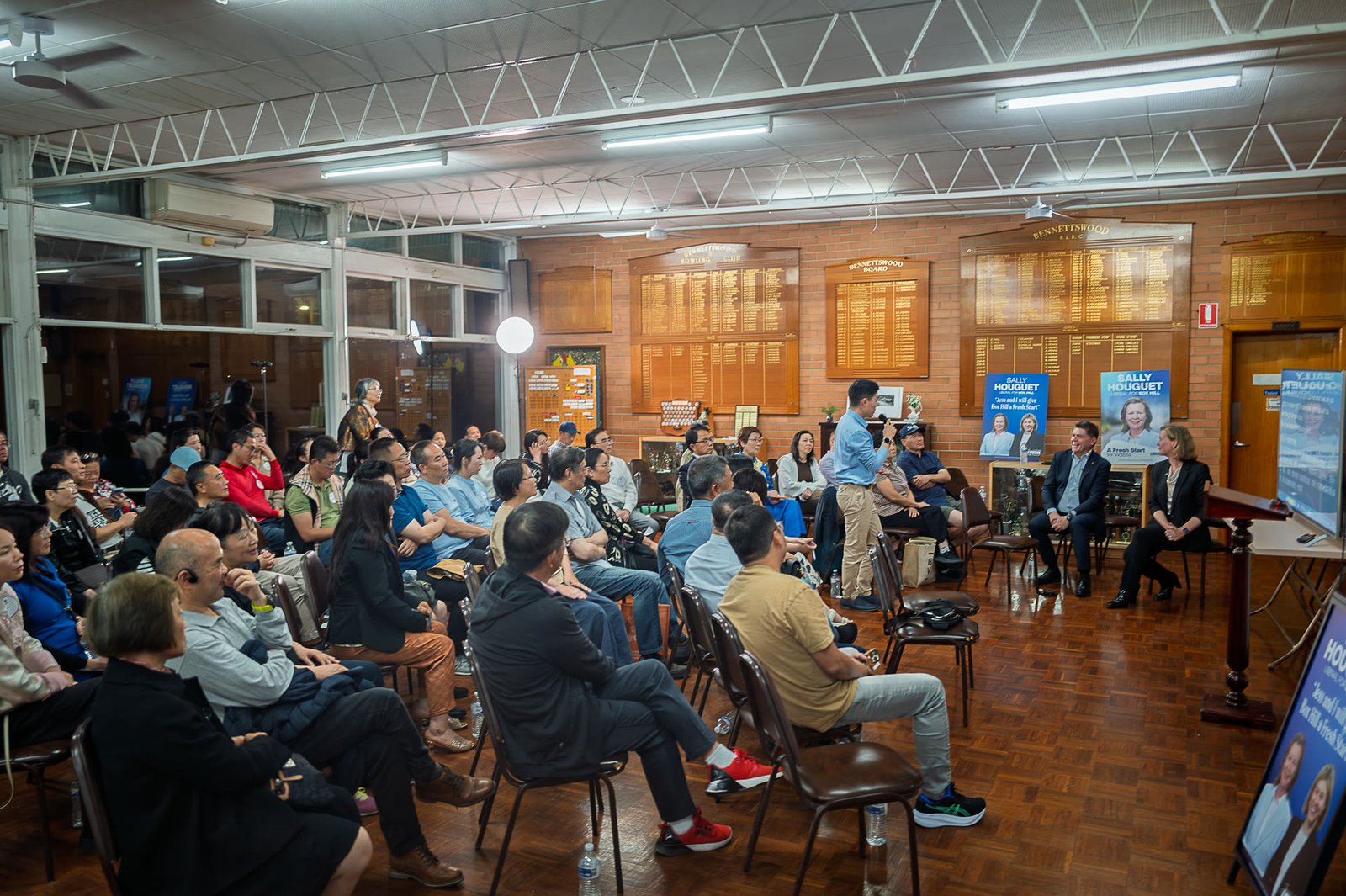
Questions prepared in advance by APOA were joined by residents’ personal experiences and follow-up questions from the floor. Some went directly to the likely effectiveness of policies, others to living costs, and still others asked where the money for reform would come from.
The atmosphere was frank and serious. What mattered to residents was not abstract political rhetoric, but how policy choices would affect their own families and daily lives.
2. Taxation and Housing: How Will the Pressures on Property Owners Be Addressed?
For APOA members, the cost of holding property and the regulation of rental housing were among the most closely followed topics of the evening.
The land tax changes introduced in Victoria from 2024, followed by changes to public levies and rental housing standards, have led many property investors to worry about the growing costs of owning and renting out homes.
In particular, the progressive introduction of residential energy-efficiency requirements seeks to improve comfort for occupants and reduce tenants’ energy costs. Yet equipment replacement, installation and capital outlays have also raised concerns among landlords about practical costs and implementation.
The discussion centred on several questions: How can tenants’ rights be protected without placing excessive administrative and compliance costs on landlords? How can private investment in rental housing be encouraged? Is there a need for more landlord licensing or registration requirements?
One resident described frustration with repeated identity verification and repeated fees during property transactions and related services.
This apparently small example led to a broader question: if regulation is intended to improve safety and efficiency, why does its implementation sometimes add cost and time for ordinary people?
Sally said the Liberal Party wanted to ease the burden on property investors through changes to land tax, a stronger investment environment and a review of existing requirements.
Richard discussed reducing duplicated administrative procedures, simplifying identity checks and reassessing the need for a potential landlord licensing scheme.
He also acknowledged that tenants’ rights must be properly protected and that a workable housing market needs to balance tenant safeguards, investor costs and rental housing supply.
For APOA, property-owner interests are not simply the financial concerns of one group. They are connected to whether the private rental sector can continue providing enough homes.
3. Safety and the Local Environment: Residents Want to Feel Safe Again
Community safety was another major concern.
Responding to questions about youth crime, repeat offending and bail arrangements, the guests described Liberal Party proposals including more police resources, changes to bail settings, the return of Protective Services Officers (PSOs) at some railway stations, and tougher responses to serious youth offences.
Richard stressed that punishment alone was not the answer. For young people with an opportunity to get back on track, vocational training, rehabilitation and support for reintegration into the community also matter.
Residents also asked whether the justice system could respond more effectively to serious and repeated offending.
The discussion reflected an urgent expectation: people want laws that protect their communities and genuinely reduce the likelihood of reoffending.
Questions about the built environment were another part of everyday quality of life.
When the discussion turned to Box Hill’s future, it quickly moved to public green space, commercial activity, transport planning and the major Suburban Rail Loop (SRL) project.
Sally outlined an idea for retaining public green space around the Box Hill Brickworks site and revitalising local commercial activity.
Richard questioned the cost of the SRL and its effects on the Box Hill business environment. He argued that decisions about whether the project should proceed would require a full understanding of contracts and fiscal obligations.
One resident described parts of the residential area as a “dormitory suburb”, lacking amenities and activity.
That description prompted further discussion.
As the population grows and housing density increases, will schools, parking, parks, recreation and community spaces keep pace? How can businesses affected by construction recover? Can Box Hill develop beyond a place to live and shop into a genuinely vibrant urban centre?
Residents hoped for more than additional buildings and infrastructure investment: they wanted a city with green space, vitality, safety and amenities for people of different ages.
4. What Will Change Cost? Residents Question Policy and Fiscal Feasibility
Healthcare and public finances were also important topics that evening.
One member asked how long public-hospital waiting times could be reduced, how much additional funding would be required, and when residents could expect to see improvements.
Sally described Liberal Party proposals to expand hospital transit lounges, improve patient flow through emergency departments, and make use of available capacity in private hospitals to reduce public elective-surgery waiting times.
Richard spoke about government financial management, the cost of public infrastructure projects and administrative efficiency, outlining the Liberal Party’s position on controlling expenditure, cutting regulatory duplication and encouraging growth.
One question went to the practical difficulty of delivering these goals:
If a government wants to cut taxes and debt while maintaining or improving healthcare, education and community safety, where will the money come from?
Richard responded that improving public finances could not be achieved overnight. He discussed gradual improvement through economic growth, tighter management of public spending and greater administrative efficiency, and referred to the Liberal Party’s longer-term fiscal approach.
This was one of the valuable elements of the exchange.
Residents wanted change, but also a credible path towards it. How would tax reductions be introduced? How would services be maintained? Which major projects would be prioritised? These questions require realistic costings and plans that can be delivered.
Expectations for the future cannot rest on promises alone; they must remain open to public scrutiny and follow-up.
5. Chinese-Australian Community Voices: From Taking Part to Being Heard
Beyond property, public safety and the economy, one resident raised three deeper questions.
Why did some Chinese Australians feel distant from the Liberal Party or worry that its policies might not serve their community? Why did some view the party as more closely associated with affluent people, raising concerns about social welfare? And why did so many Chinese Australians have views they wanted to express but participate relatively little in public policy discussions?
These questions broadened the conversation from specific policies to the civic participation of multicultural communities.
Sally and Richard acknowledged room for better communication between political parties and residents from different cultural backgrounds. Richard particularly referred to language barriers and his experience of gaining a more direct understanding of Chinese-speaking business owners’ concerns through translation and conversation.
An older attendee offered a particularly practical suggestion: reduce the cost barriers to exercise for older residents, and install more senior-friendly exercise equipment in local parks.
The gap between public finances and a few pieces of park exercise equipment may seem large, but both reflect a desire for policy to respond more closely to real life.
For APOA, this was an important reminder:
Chinese-Australian communities do not lack views or concerns. Often what is missing is an effective way to gather those concerns, communicate them and obtain a response.
6. AI Interpretation and a Mock Election: Making Civic Participation More Accessible
The event also explored useful new ways to support participation.
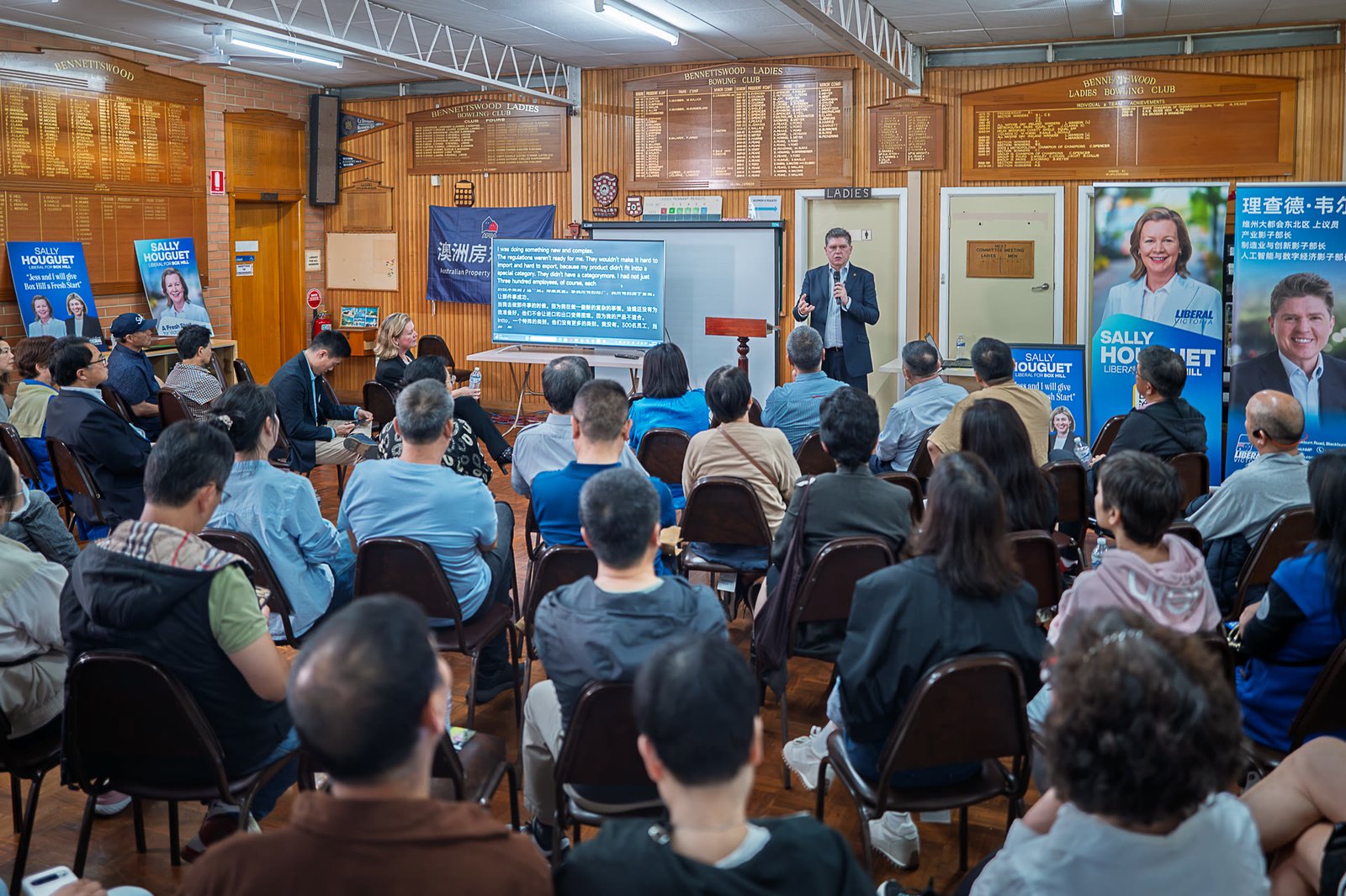
iFLYTEK AI live interpretation and transcription were used on site, with Chinese and English text displayed on a large screen so that residents could take part through the language they felt most comfortable using.
Although automatic translation still has limitations, the technology helped lower language barriers and made policy questions and answers easier to follow.
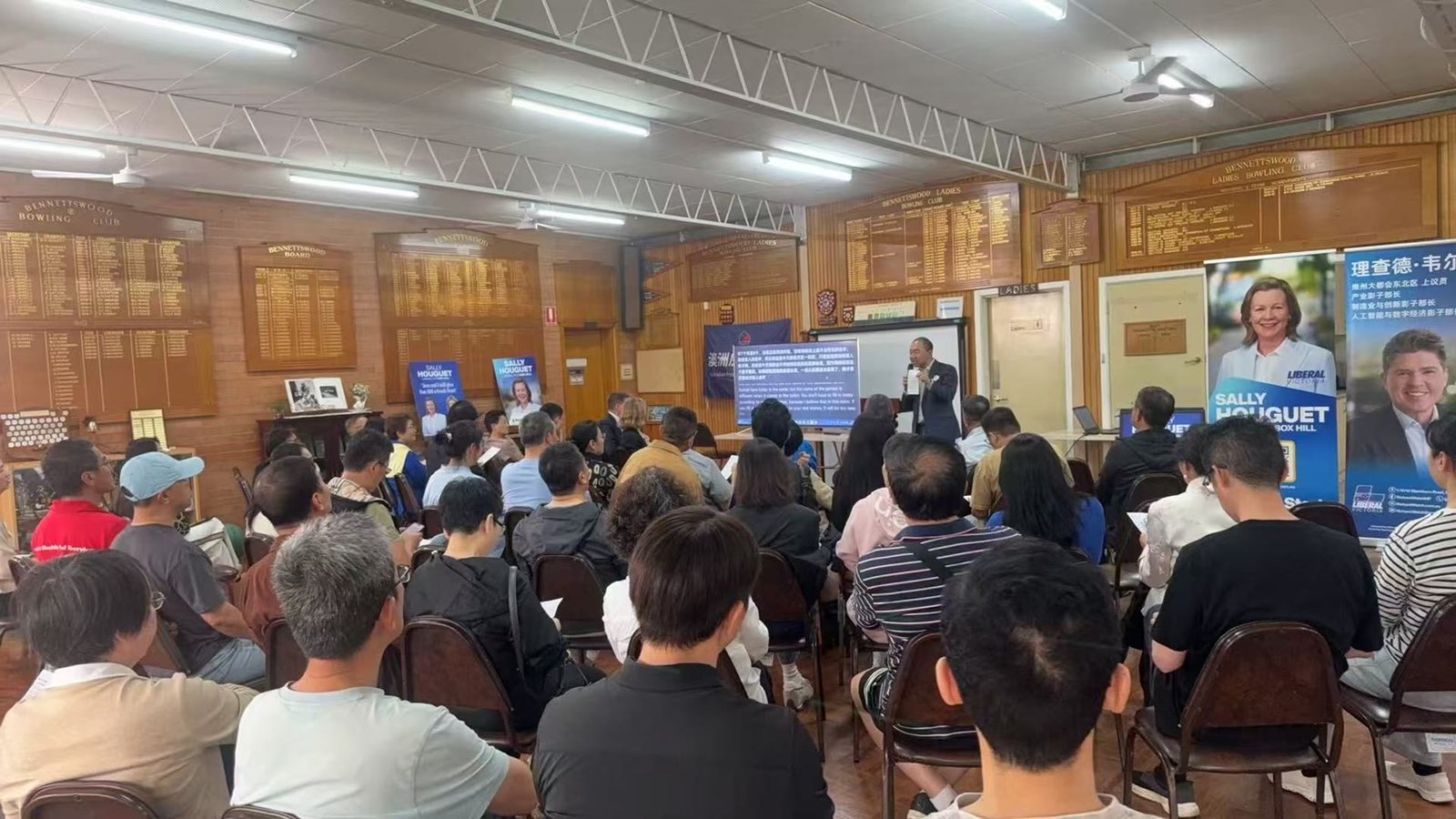
The later part of the event featured a simulated election exercise.
BASE member David Chu had carefully prepared 100 sample ballot papers in advance. Through filling out ballots, counting votes and demonstrating how preferences transfer, he introduced residents to preferential voting for the Victorian Legislative Assembly.
A total of 45 sample ballots were collected on the evening, of which four were used as examples of informal or incorrectly marked ballots to help explain numbering and candidate rankings.
These were educational sample ballots only. They were not part of a real election, nor could they be interpreted as a survey of voting intentions.
From understanding public policy to learning how elections work and how to express a vote correctly, civic education is an important part of helping more residents participate.
7. Community Change Begins by Bringing Questions into Public Discussion
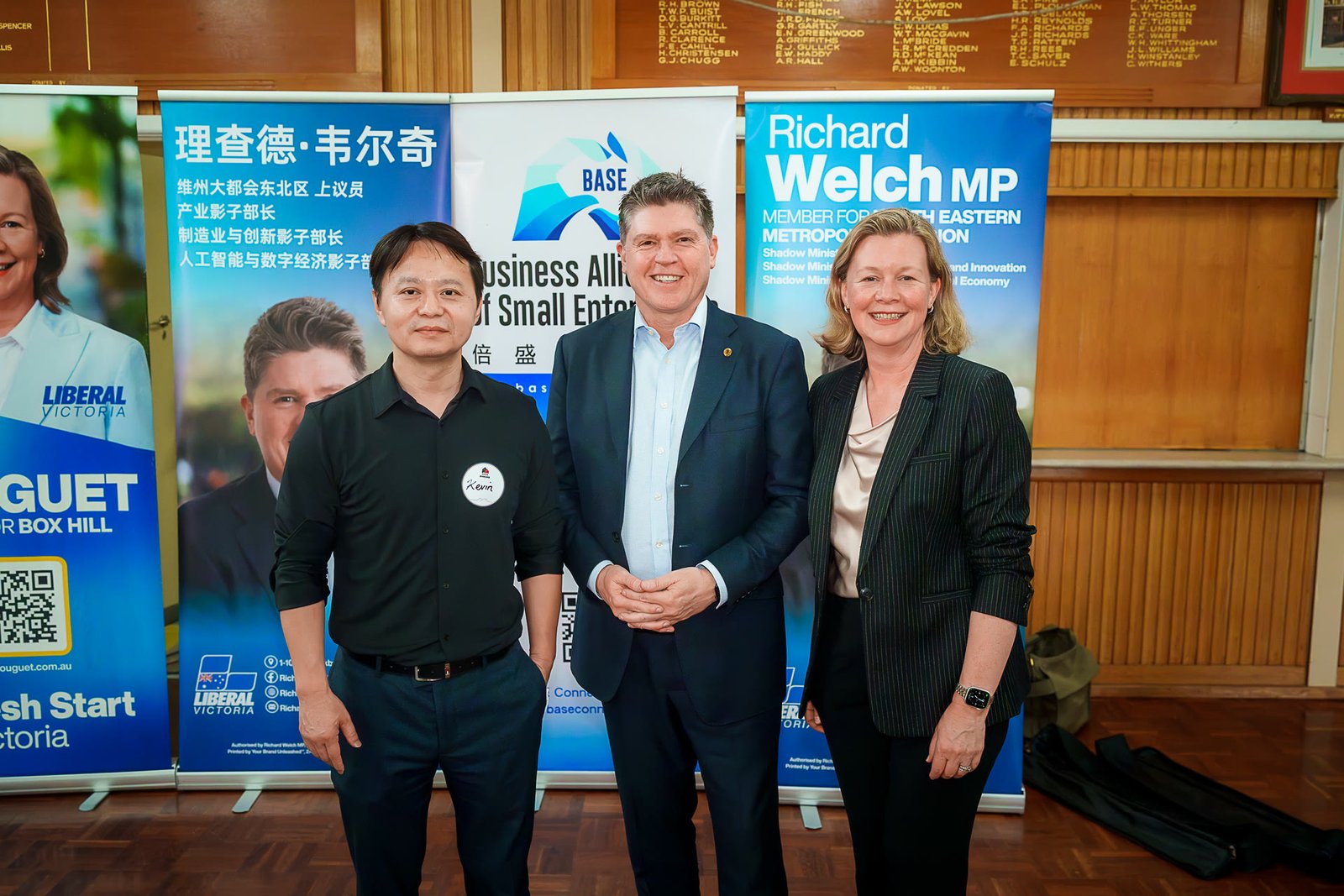
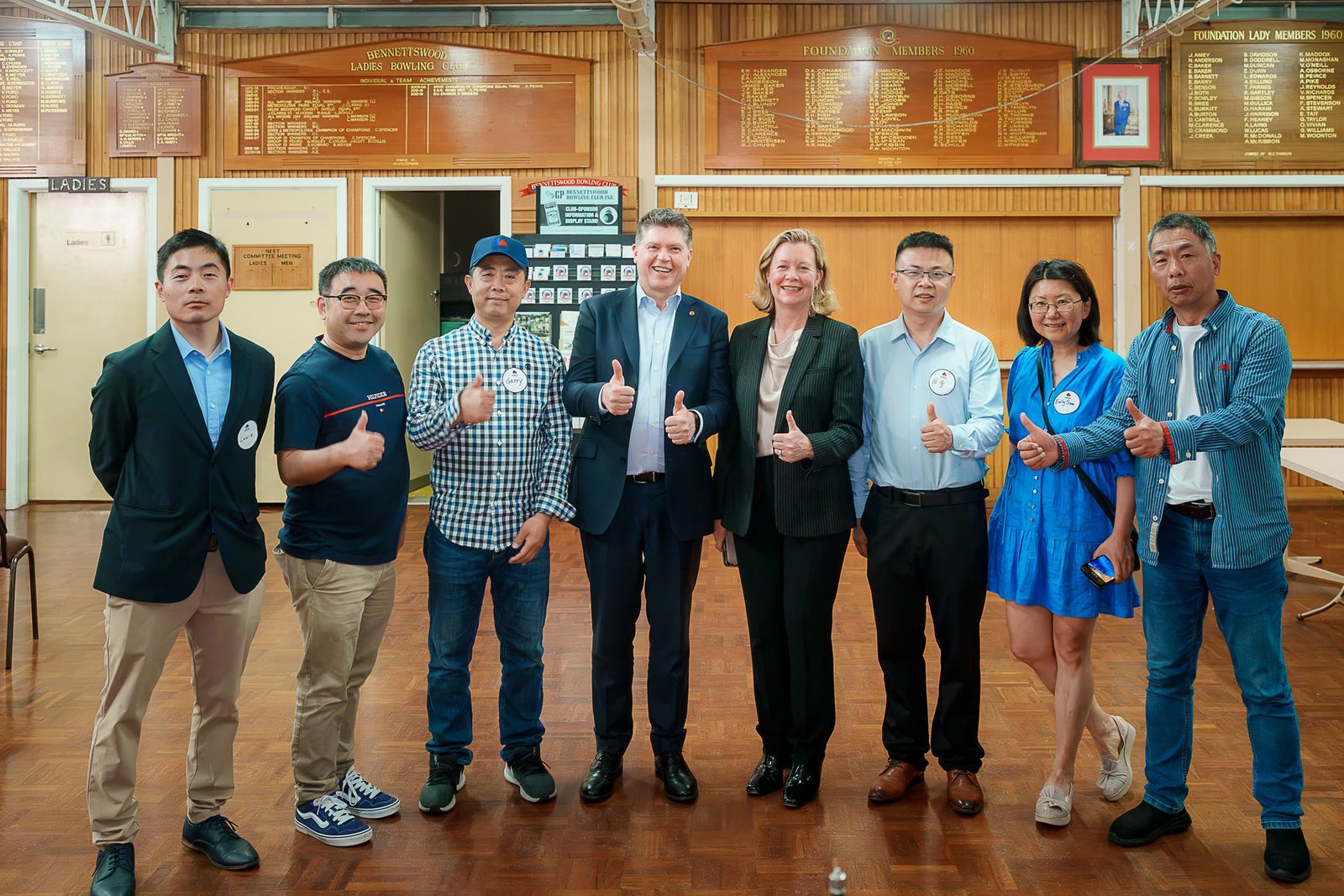
The forum ended with relaxed conversation and a group photograph, but many of the concerns raised will not disappear simply because the meeting has ended.
An exchange lasting around two hours could not resolve every taxation, safety, housing or fiscal issue in Victoria, much less immediately change existing policies.
It did, however, provide an opportunity for questions and frustrations usually scattered across WeChat discussions to be raised together, considered seriously and addressed directly by public figures.
The event was hosted by APOA, with important support from BASE in resources, organisation and on-site work.
Special thanks go to Emily, who is active in both the APOA community and BASE, for helping organise and coordinate the event; to David Chu of BASE for preparing the mock voting exercise; and to APOA volunteers Garry, Bob and May for their on-site support.
Thanks also go to everyone who contributed to collecting questions, liaising with guests, preparing materials, publicising the forum, arranging technology and coordinating work behind the scenes.
The event came together through the time, resources and efforts of different teams. APOA warmly thanks Sally Houguet and Richard Welch MP for attending, and every resident who asked questions, shared experiences and took part in the discussion.
Protecting the interests of property owners remains an important part of APOA’s mission. Yet landlords are also residents, taxpayers, small-business operators, parents and members of the wider community.
Beyond property policy, safety, healthcare, education, the environment, public finances and urban planning all affect families’ futures.
The forum demonstrated again that a community organisation can do more than share information and provide mutual support. It can also become an important bridge between ordinary residents and those involved in making public policy.
Change may not happen overnight. But its first step is to make real problems heard, subject policy alternatives to discussion and encourage more people to take part in shaping the future of their communities.
That is the direction APOA hopes to keep pursuing.
Editorial note: This article has been prepared using event photographs, iFLYTEK AI-assisted live transcription and event preparation materials. Statements about political-party policies and the evaluation of projects reflect the guests’ views at the forum, not policies already implemented.
Questions residents raised
- Which Victorian Labor policies did residents question as unfair?
- What are Box Hill voters electing in the 2026 Victorian election?
- How do you fill out a Victorian ballot paper? Is voting for one candidate enough?
- What do preferences 1, 2 and 3 mean?
- Why are property transactions subject to repeated identity checks and fees?
- What was discussed about community safety, youth crime and bail?
- Why are hospital waits long, and how can tax cuts and public services be funded?
- How could parking, the SRL, green space and local business shape Box Hill?
- How can Chinese-Australian communities make their voices heard?
The 2026 Victorian state election is scheduled for 28 November. Check the VEC for official election information.
Meeting minutes (APOA PLUS+ members)
Full record of the 24 October 2026 Box Hill Community Policy Forum, prepared from interpretation and AI-assisted transcription. Details may be updated following speaker review.
🔒 Sign in with an active PLUS+ account to read or download the minutes. Sign in to view
Video
活动影像

活动现场短片
57秒活动片段,记录社区政策交流会的现场交流。
观看视频 →Gallery
精选活动照片
Forum guests
花絮

APOA EVENTS
More APOA events · 2026 archive

APOA Sydney Community Meetup
2026-10-25 · Royal Botanic Garden Sydney
Event held · Story to follow →